Independent abortion clinics provide the majority of abortions in the U.S., providing care when and where others do not – yet providing and accessing abortion care has become increasingly challenging in 2025. Providers and patients must navigate abortion bans, extremist violence and harassment, legal threats, and a lack of resources deep enough to close clinics. Communities need clinics, and clinics need you. Scroll to read more about indie clinics and what you can do to take action.
The Essential Role of Independent Abortion Clinics
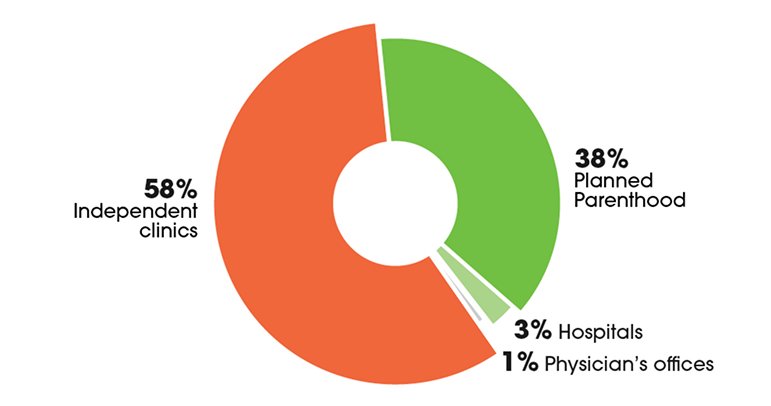
Abortion Procedures by Facility Type
Independent clinics continue to provide the majority of abortion care in the United States
Care Throughout Pregnancy Depends on Independent Clinics
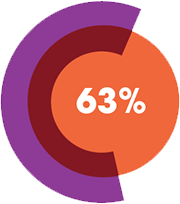
of all U.S. clinics that provide abortion after the 1st trimester are independent
of all U.S. clinics that provide care at or after 22 weeks are independent
of all U.S. clinics that provide abortion after 26 weeks of pregnancy are independent
Access to Care Depends on Independent Clinics
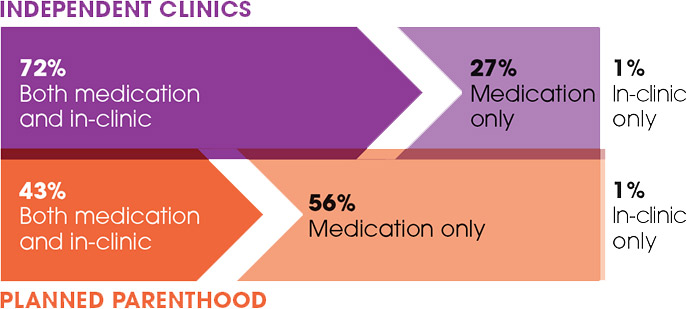
Independent Clinics Provide More Comprehensive Abortion Care
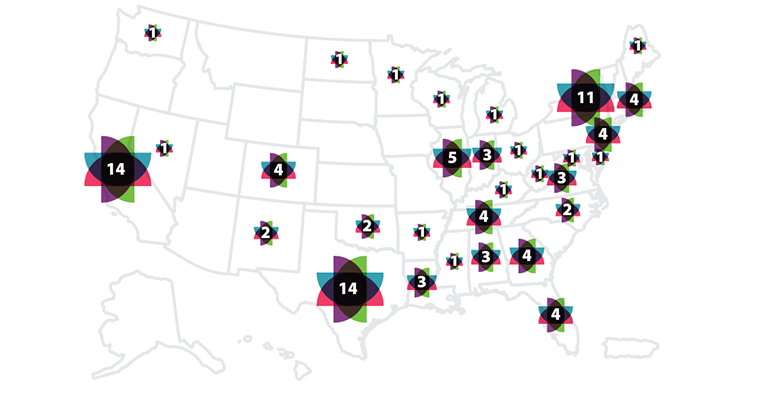
Since Roe v. Wade was overturned in 2022, 100 independent abortion clinics have been forced to close or stop providing abortion care
The Changing Landscape of Clinic-Based Abortion Care
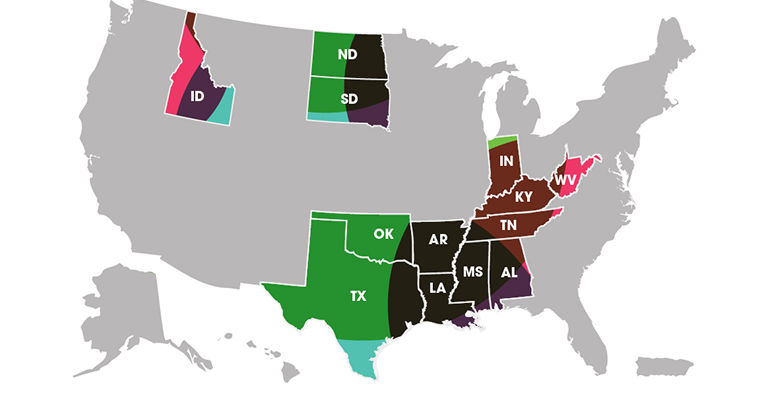
A Look at Communities Without Independent Clinics
13 States Have No Clinics Providing Abortion Care
58% of the independent clinics forced to close since the Dobbs decision were located in the South or Midwest
There is a place for everyone. Take action:
Raise awareness of the essential role of independent clinics. Tell others how to find a clinic at www.ineedanA.com, and share this report with colleagues, elected representatives, journalists, on social media, and with your community.
Donate directly to local independent abortion clinics or to Keep Our Clinics to support indies across the United States. Indies typically pour every cent they have into caring for patients; they rely on donors to fund any additional work they do in their communities, to support their staff, and to implement security measures.
Volunteer for or work with your local clinic. Clinics need a wide range of services, from website design to landscaping to patient escorts. Whatever your skill set, independent clinics need your expertise and involvement.
Support the future of the abortion care workforce. If you’re a medical student or resident, advocate for and participate in training in abortion. Clinicians can enhance and expand their expertise in abortion care. Everyone can contribute to the professional development of frontline staff by supporting Abortion Care Network programming.
Support abortion funds and practical support organizations. Abortion funds and practical support organizations make it possible for people to pay for, travel to, and safely access the abortion care they need.
Work with local, state, and national reproductive health, rights and justice groups to bring the U.S. in line with World Health Organization abortion care guidelines:
Overturn and block abortion bans — including insurance coverage bans and other medically unnecessary restrictions that delay or withhold care.
Pass and implement policies that protect and increase access to abortions.
Refuse to participate in actions that criminalize people who seek, provide, or support abortion care, and work to block or overturn laws that criminalize abortion.
Show your support for people who provide and have abortions. Talk about abortion openly, honestly, and without stigma; support the people in your life who need or have had abortions, and celebrate Abortion Provider Appreciation Day.